Top Fishing Destinations on Australia's East Coast
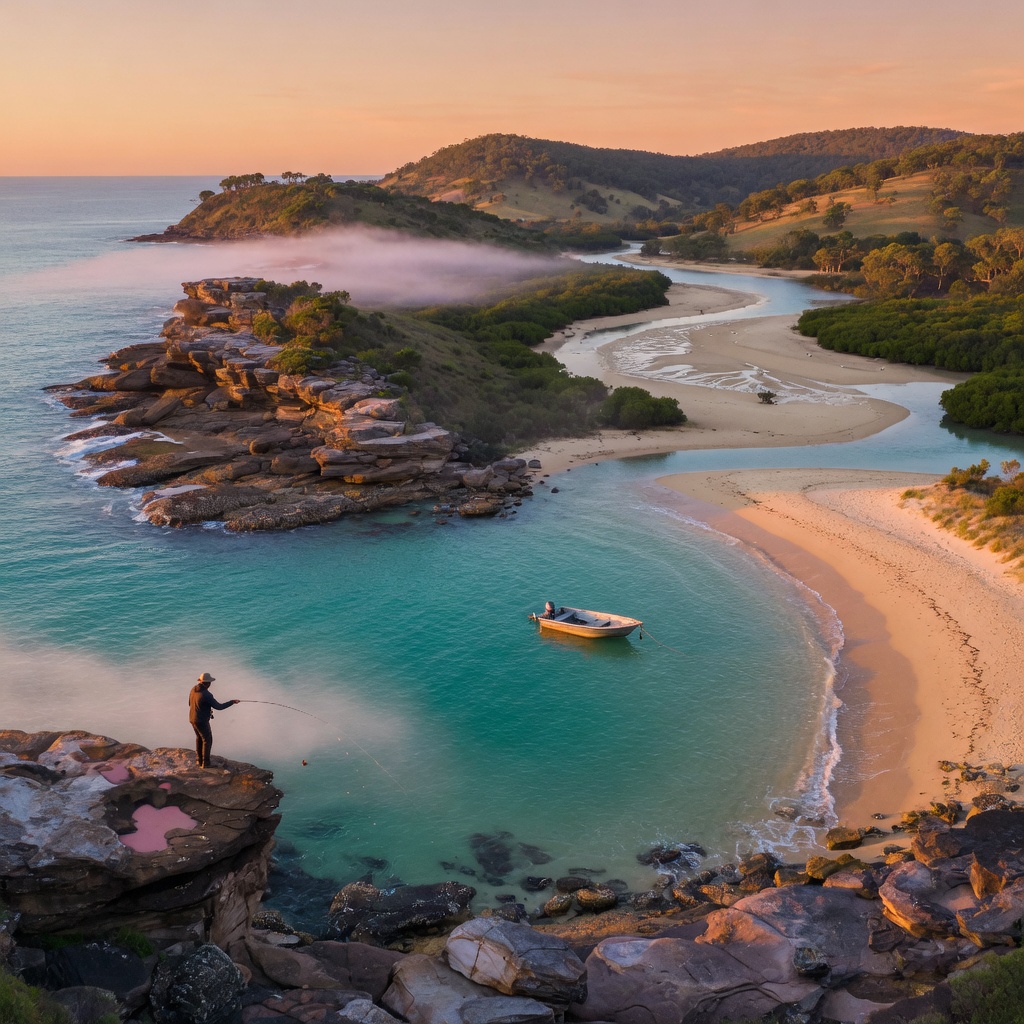
Why the East Coast Rewards Careful Planning
The stretch of coast between southern New South Wales and tropical Queensland offers more fishable water than most anglers will cover in a lifetime. Rocky headlands, deep estuary channels, surf gutters, offshore reefs and mangrove creeks all sit within a few hours of each other. The catch is that each of these environments peaks under different conditions. A beach that fires on a rising tide with a metre of clean swell can be unfishable the next morning after a southerly change. At Tide Fishing we plan trips around tide, moon phase, swell height and wind direction first, and choose the destination second.
Use this guide as a shortlist. Match the location to the forecast you actually have, not the forecast you hoped for, and you will fish more productive water with less driving.
Around Sydney: Harbour, Estuary and Rock
Sydney is unusual among big cities because deep, clean water sits close to the CBD. The harbour itself holds bream, flathead, kingfish and squid, and the surrounding coastline is stitched with sandstone ledges.
- Harbour flats and moorings – best on the last two hours of a falling tide, when bait is pushed off the shallows. Light leaders and small soft plastics do the work.
- Middle Harbour and Lane Cove reaches – sheltered when a strong nor'easter shuts down the open coast. Fish the deeper bends after rain has cleared.
- Botany Bay and Georges River – excellent estuary option for flathead drifting over sand banks on the run-out.
- Southern and northern rock ledges – only in small, long-period swell. Always watch a spot for fifteen minutes before stepping down, and never fish a ledge alone.
North of Sydney: Central Coast to the Mid North Coast
Lake systems such as Tuggerah, Lake Macquarie and the Myall Lakes give you kilometres of protected water. These are the destinations to choose when a strong swell warning is running. Focus on channel entrances and weed edges around the change of tide, and use the moon phase to your advantage: the days either side of a new or full moon bring stronger tidal flow and more predictable feeding windows.
Further north, Port Stephens, Forster and the Nambucca and Macleay rivers offer estuary mouths where fresh and salt water meet. A modest run-out tide combined with an offshore breeze at dawn is close to ideal for chasing jewfish, bream and mulloway along the rock walls.
Beach Fishing Windows
Long open beaches from Newcastle to Coffs Harbour form gutters and holes that hold whiting, tailor, dart and salmon. Walk the beach at low tide, mark the deeper channels and the sand banks, then return on the rising tide. One to one-and-a-half metres of swell keeps bait moving without burying your rig.
Queensland and Tropical Options
From the Gold Coast to the Great Barrier Reef, the fishing shifts towards mangrove creeks, sand flats and reef edges. Barramundi, mangrove jack and trevally respond strongly to tide movement, and big spring tides can either fire or shut a creek down completely. Plan around the smaller neap tides for clearer water on the flats, and the larger tides for creek mouths where bait is flushed out.
Building a Trip Plan That Works
- Check the tide chart and note the times of high and low water for your target day.
- Read the swell height and period, then the wind direction and strength for the same window.
- Shortlist two destinations: one open coast, one sheltered estuary fallback.
- Choose your fishing window – usually two hours either side of a tide change.
- Confirm access, parking and safe exit points before you leave.
Conditions on the east coast change quickly, so recheck the forecast the morning of your trip. If a southerly change is due, fish early and be prepared to move inside.
Safety and Local Rules
Wear a lifejacket on the rocks, carry a charged phone, and tell someone your plan. Respect bag and size limits, closed seasons and protected areas – rules differ between New South Wales and Queensland, so check the current state fisheries information before you travel.
Questions about tide timing or picking a spot for your dates? Contact Tide Fishing on +61292658222 or at [email protected] during Mon–Fri: 09:00 – 17:00 (AEST), and we will help you match the forecast to the right patch of water.

Navigation
See also
FAQ