Best Tide Windows for Offshore Reef Fishing
Why Tide Still Matters Out Wide
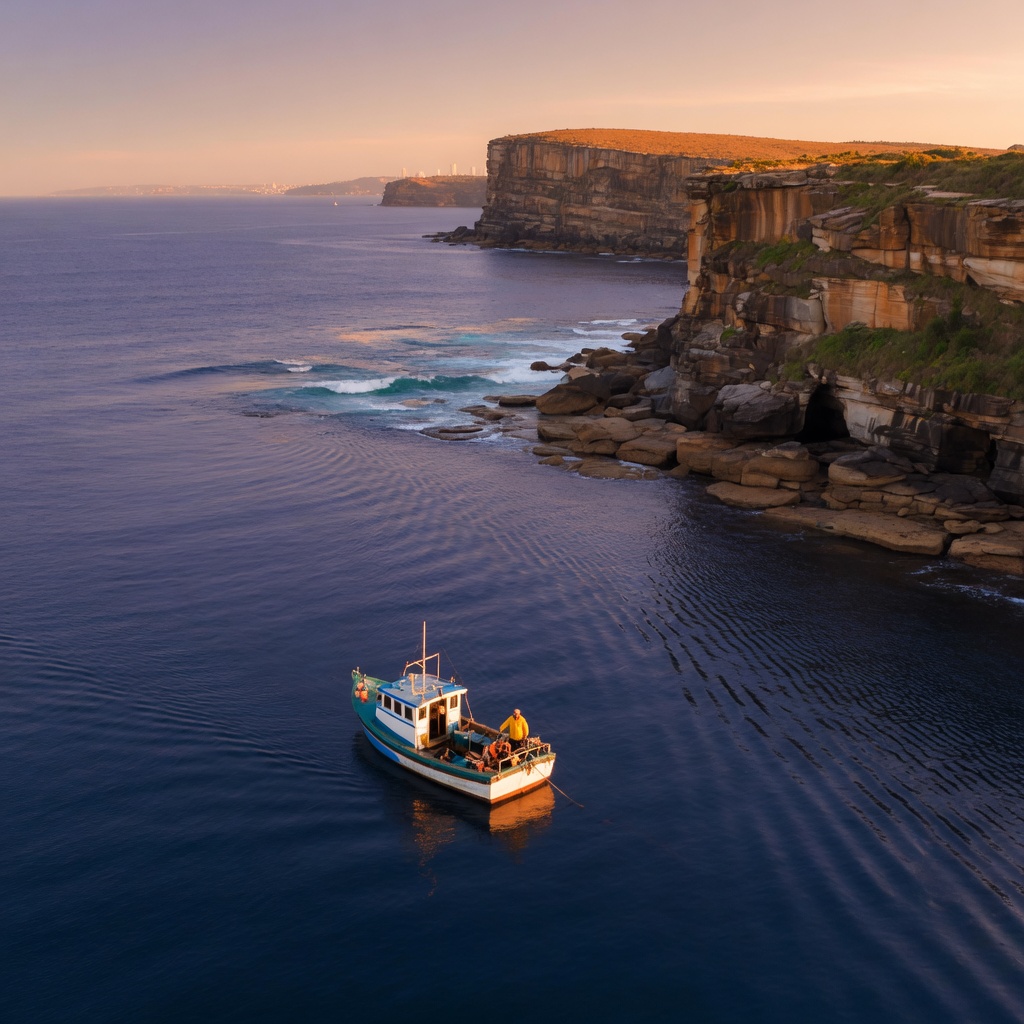
Plenty of anglers assume that once you clear the heads, the tide stops mattering. Out on the reefs and gravel patches off Sydney, that is only half true. The vertical range of the tide has less effect in fifty metres of water than it does in a shallow estuary, but the tidal stream — the horizontal movement of water — is what stacks bait, switches on kingfish and pushes berley down a predictable lane. Reading that movement is the difference between a slow drift over empty ground and a session where every drop finds a fish.
On the Sydney coast the flood and ebb interact with the southward-running current, so a tide that runs with the current gives you a fast, hard drift, while an opposing tide slows things down and can create pressure edges and bait balls right on the reef edge. Check the chart on Tide Fishing before you plan a run, then match the tide direction to the wind so your drift stays fishable.
The Three Windows Worth Chasing
1. The Last Hour of the Run
As the tidal stream eases toward slack, bait that has been pinned tight to structure begins to spread. Snapper, pearl perch and morwong feed more confidently, and anchoring or drifting becomes far easier because you are not fighting a two-knot push. Aim to be over your mark 60–90 minutes before the turn.
2. Slack Water on a Deep Reef
True slack is short — sometimes twenty minutes — but it is the best time for precise work: dropping baits into a small hole, holding a jig in the strike zone, or fishing a wreck without your line sweeping under the boat. Use it for your one or two highest-value marks rather than exploring.
3. The First Push of the New Tide
When the stream re-establishes, current lines form again over reef edges and pinnacles. This is prime time for pelagics — kingfish, bonito and mackerel sitting in the upwelling on the downcurrent side of structure. Berley works properly here because it drifts in a straight, readable trail.
Moon Phase and Tide Range
Around the new and full moon, spring tides create bigger ranges and stronger streams. That means shorter, sharper feeding windows and drifts that can become too fast for bottom fishing in deeper water — often better suited to trolling, jigging or fishing shallower reef in 20–35 m. Neap tides near the quarter moons give gentler streams, longer usable windows and more comfortable anchoring, which many anglers prefer for reef bait fishing. Neither is universally better; the trick is to match the technique to the tide range you have been given.
Swell, Wind and Safety Come First
A perfect tide window is worthless if the sea state is wrong. Before any offshore trip, look at:
- Swell height and period — a 1.5 m swell at 12 seconds is far more comfortable than 1.5 m at 6 seconds.
- Wind against tide — an opposing breeze over a running stream builds a short, steep chop that punishes small boats.
- Swell direction — a long southerly swell wrapping into a bay changes where you can anchor and how bars behave.
- Timing of the change — plan to be heading in before an afternoon northeaster or a southerly buster arrives.
If you cross a bar or a shallow entrance, favour the flood or high slack rather than a big ebb pushing into an incoming swell. Always tell someone your plan, log on with the local marine rescue service, and carry the safety gear required for your operating area.
Building a Simple Trip Plan
- Check the tide chart and note the times of the turns for your day.
- Read swell height, period and direction, then wind strength and timing.
- Pick two marks: a deeper one for slack water, a shallower one for the run.
- Be on the water early so the best window is not spent travelling.
- Record what happened — tide stage, moon, swell, catch — and patterns appear within a season.
Keep a small logbook and you will soon know which reef fires on a late ebb and which one only wakes up on the first of the flood. That local knowledge beats any general rule.
Questions or Local Reports
We publish tide, moon, swell and wind guidance for Sydney and the wider coast. If you have a question about reading a particular window, or want to share a report from your own offshore session, contact Tide Fishing by email at [email protected] or phone +61292658222 during Mon–Fri: 09:00 – 17:00 (AEST). Conditions and forecasts change quickly, so always confirm current warnings with official marine sources before leaving the ramp.
Navigation
See also
FAQ