Fishing After Heavy Rain: What Changes?
Why Rain Rewrites the Rulebook
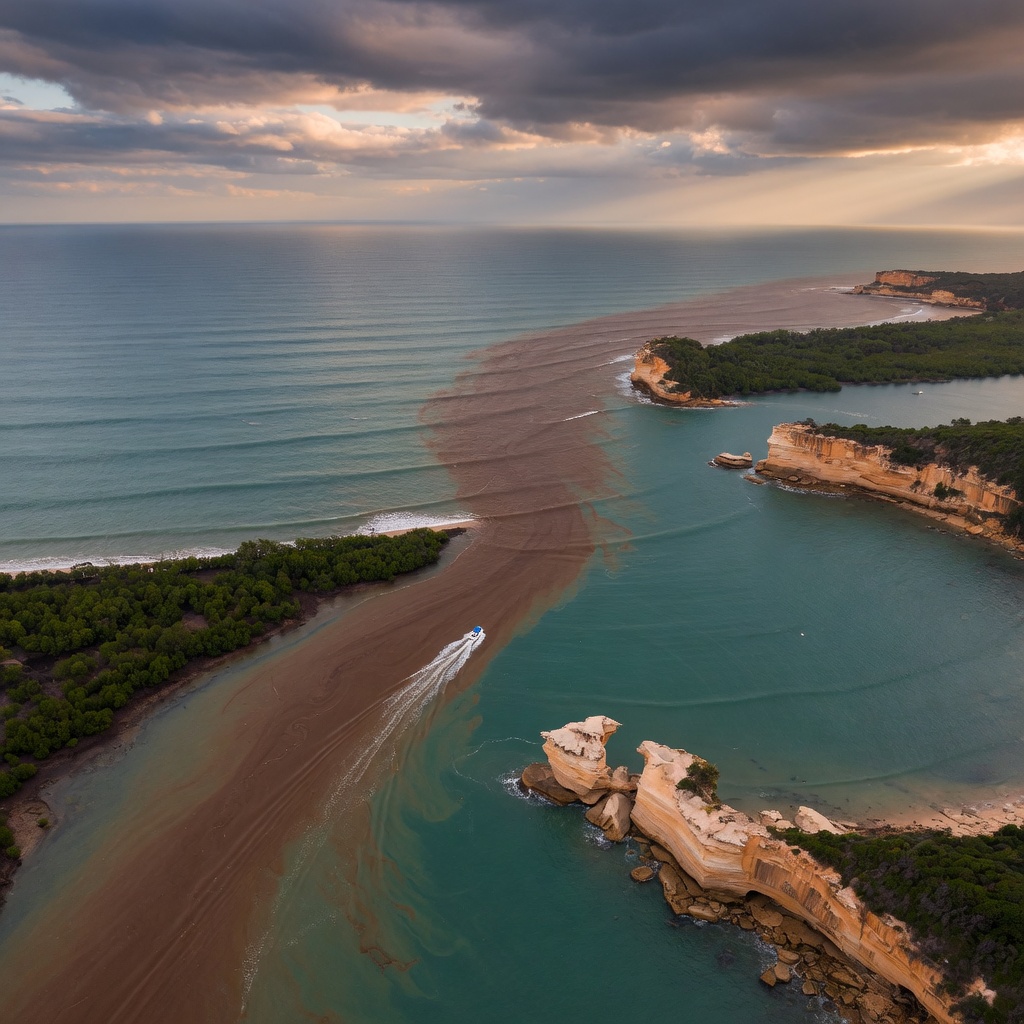
A big east coast low or a few days of steady downpour changes almost every variable anglers rely on around Sydney. Runoff pours out of the Georges, Parramatta, Hawkesbury and Port Hacking catchments, salinity drops, water temperature falls a degree or two, and visibility can go from two metres to almost nothing. Fish do not disappear — they relocate and change how they feed. Understanding where that dirty water sits, and what edge it creates, is the difference between a blank session and one of the best bites of the season.
At Tide Fishing we treat post-rain periods as their own planning exercise: check the tide chart first, then wind and swell, then the state of the catchment. Rain that fell three days ago behaves very differently to rain still falling.
Estuaries: Follow the Salt, Not the Mud
In the first 24–48 hours after heavy rain the upper estuary usually shuts down for bream, whiting and flathead, because a wedge of cold fresh water sits on top of the salt. The productive zone shifts downstream toward the mouth, where the two layers meet.
- Fish the mud line. The visible seam between brown and green water concentrates bait and predators. Cast into the clean side and work lures along the edge.
- Target the bottom third. Salt water is denser, so it hugs the bed. Deep holes, bridge pylons and channel edges hold fish that would otherwise be up in the shallows.
- Use scent and vibration. Fresh baits such as mullet strips, prawns and worms, or vibes and dark soft plastics, out-fish subtle finesse presentations in low visibility.
- Expect jewfish and mulloway. Discoloured water on a big run-out tide, especially near the new or full moon, is a classic mulloway window in Sydney's larger systems.
Timing With the Tide
After rain, the run-in tide is often the better option because it pushes cleaner ocean water back into the system. Plan around the two hours either side of high water, and note that flood-affected rivers can hold the run-out longer than the chart suggests — the printed times are a guide, not a guarantee.
Offshore and Boat Fishing After a Downpour
Offshore, rain creates freshwater plumes and debris rafts that drift out of the heads with the outgoing tide. These plumes are worth finding rather than avoiding. Leaves, sticks and foam lines gather along their edges, holding small baitfish and often attracting kingfish, bonito, salmon and, in warmer months, mahi mahi around any floating object.
- Work the colour change with trolled or cast lures, then move wider to reef and bommie ground where the water is still blue.
- Watch the swell forecast carefully. East coast rain events usually arrive with building groundswell and messy sea state, and bar crossings or headland-adjacent runs become far less forgiving.
- Debris is a real hazard for hulls and outboards at speed — slow down through plume edges and keep a lookout posted.
- Check the wind against the swell direction. A southerly change over an easterly swell makes short, steep seas that punish small boats far more than the wave height alone implies.
Beach and Rock Fishing
Beaches often improve after rain. Storm surge and swell stir the sand, cutting new gutters and washing worms and pipis into the water column. Look for deeper, darker channels and fish them across the top of the tide. Tailor, salmon and bream respond well to the discoloured, aerated water.
Rock fishing is the opposite: it becomes the highest-risk option. Elevated swell, sets that arrive without warning and slippery ledges cause serious incidents every year along the Sydney coastline. If the swell is up after a rain event, choose a beach, a wharf or a sheltered estuary bank instead. Never fish a ledge alone, always wear a lifejacket and appropriate footwear, and give yourself an unobstructed escape route.
A Simple Post-Rain Checklist
- Note how much rain fell and how long ago — days one to two are the dirtiest, days three to five are usually prime.
- Read the tide chart and pick a session on a strong tidal movement.
- Check swell height, period and direction alongside wind strength before committing to rocks or an offshore run.
- Factor in the moon phase; big spring tides flush systems faster and clean water returns sooner.
- Have a backup location in a more sheltered part of the harbour or river.
Keep Learning the Local Pattern
Every catchment behaves slightly differently, so keep a log of rainfall, tide, wind and results for the spots you fish most. Over a season you will build a genuinely useful picture of when your local system fires after rain. For questions, seasonal notes or to share what you have seen on the water, contact Tide Fishing on +61292658222 or at [email protected] during Mon–Fri: 09:00 – 17:00 (AEST). Conditions information here is general guidance only — always check current official forecasts and warnings before heading out.

Navigation
See also
FAQ