Neap vs. Spring Tides for Australian Anglers
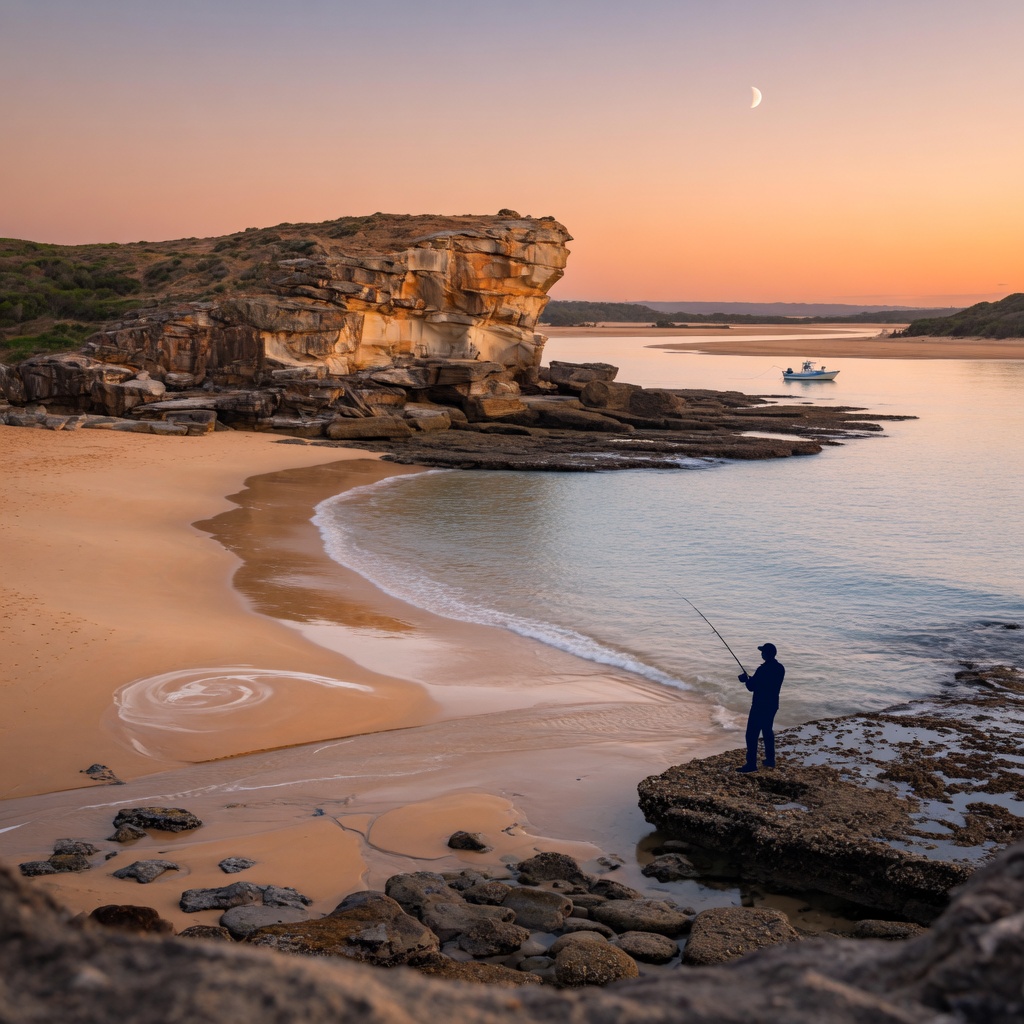
What Actually Separates a Neap Tide From a Spring Tide
Every fortnight the tidal range around Sydney swings between two extremes. Spring tides arrive a day or two after the new and full moon, when the sun and moon pull in line and the difference between high and low water is at its greatest. Neap tides land near the first and last quarter moon, when those forces work against each other and the range shrinks. Nothing to do with the season — a "spring" tide can happen in July just as easily as October.
For anglers the practical difference is water movement. A big spring range shifts far more volume in the same six hours, so current runs harder through estuary channels, over reef edges and along beach gutters. Neaps move less water, more gently, and often leave a longer, lazier slack period. Reading that on a tide chart before you leave the house is the cheapest advantage in fishing.
How Fish Respond to Each Cycle
Strong spring current stirs sand, dislodges worms, nippers and crabs, and pushes baitfish into predictable ambush points. Predators like flathead, bream, jewfish and tailor use eddies behind rock bars, bridge pylons and drop-offs, sitting out of the flow and picking off whatever tumbles past. This is when structure fishing shines and when the last two hours of a run-out tide can be extraordinary.
Neaps suit a different approach. Clearer water, softer flow and less silt favour sight fishing over flats, working lightly weighted soft plastics, and chasing species that dislike heavy current — whiting on sand banks, luderick around weed, squid over seagrass. Because bait is not being swept along in bulk, fish often forage more actively, which rewards covering ground rather than parking in one spot.
Offshore and Boat Fishing Considerations
Offshore, tide matters less than it does inshore, but it still shapes the day. Spring tides combined with a running swell can make Sydney bar crossings and headland gaps genuinely dangerous, and the ebb pushing against an incoming swell will stand waves up sharply. Neap periods generally offer easier access, better anchoring over reef and cleaner water for drifting baits or slow-jigging.
Before any offshore boat session, check three things together rather than in isolation:
- Swell height and period — a two-metre swell at 14 seconds behaves very differently from two metres at 7 seconds.
- Wind direction versus tide — wind against current creates short, steep chop and a fast, awkward drift.
- Tide times relative to your return — plan the trip home for the friendlier stage of the tide, not the convenient one.
Matching Tide Type to Location
Beach
Spring tides scour deeper gutters and holes, and the rising water gives fish access to food along the shore break. Fish the two hours either side of high, and use the following low tide in daylight to map the sand for your next session.
Estuary
Big springs flush the system and concentrate fish at creek mouths and drains on the drop. Neaps are better for the shallow flats and quiet backwaters where a heavy run would simply push your lure out of the zone.
Rock Ledges
Neaps are safer around ledges near Sydney, with smaller surges and less wash. Never fish rocks on a rising spring tide with any real swell, and always watch the water for a full set before committing to a position.
Building a Simple Pre-Trip Routine
- Check the moon phase to know whether you are heading into neaps or springs.
- Read the tide chart for range, not just times — the height difference tells you how hard it will run.
- Overlay wind and swell forecasts, then pick the location that suits those conditions.
- Choose your window: usually the moving water either side of a tide change.
- Log the result. Ten honest entries teach you more about your local spots than any general rule.
Tide Fishing publishes tide, moon, swell and wind guidance for anglers who want to plan rather than gamble. Questions about a particular stretch of coast can go to [email protected] or +61292658222 during Mon–Fri: 09:00 – 17:00 (AEST). Conditions change fast on the Australian coast — always verify current forecasts and warnings before you fish, and put safety ahead of any bite window.

Navigation
See also
FAQ