How Cloud Cover Changes Fish Behaviour
Why Light Matters More Than Most Anglers Think
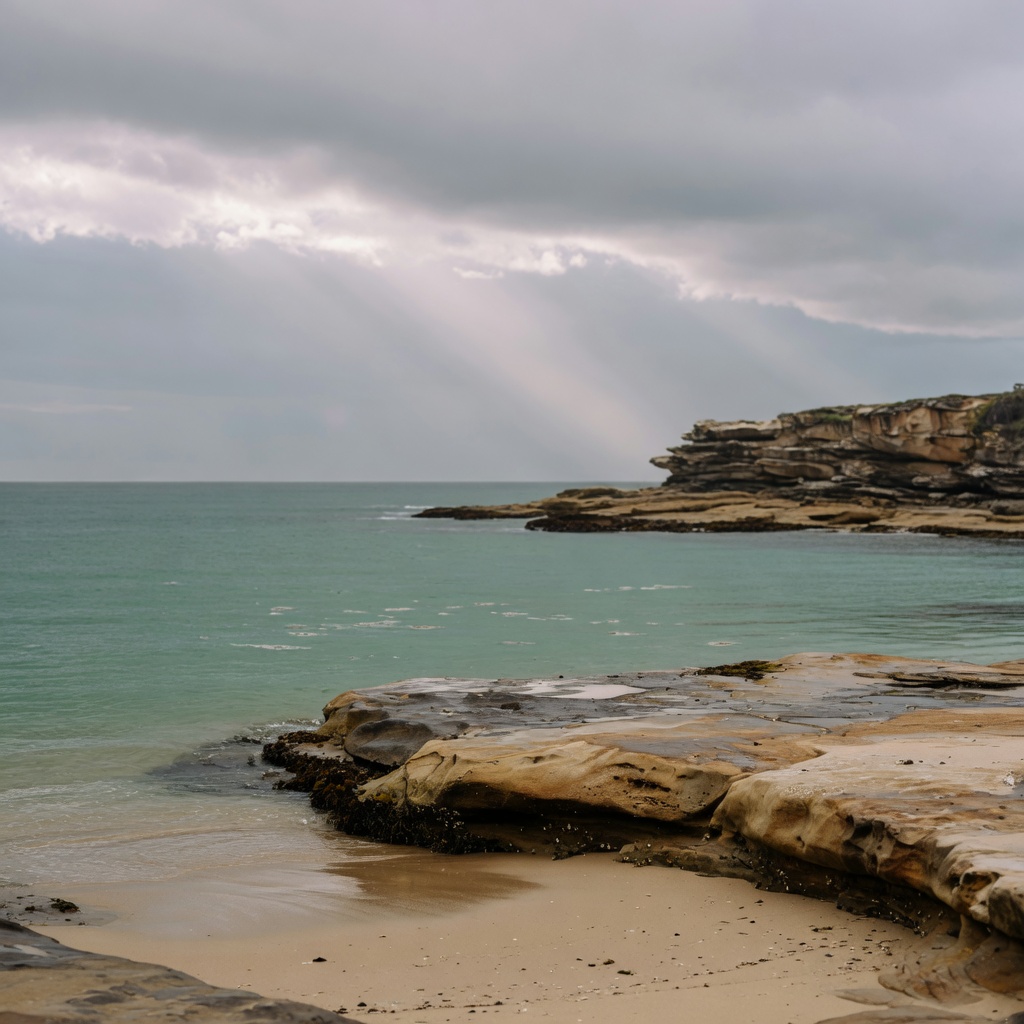
Fish do not read the forecast, but they respond to light with remarkable precision. Along the Sydney coast — from the sand banks of Botany Bay to the ledges below the northern beaches headlands — the amount of cloud sitting over the water changes how far light penetrates, where bait sits in the column and how confident predators are about leaving cover. On a hard blue-sky day with a high sun, small baitfish push tight to structure and shadow. Under a thick grey ceiling, that same bait spreads out, and the fish hunting it follow.
Understanding this one variable helps you decide where to stand, what depth to work and which hours to prioritise. Combined with tide, swell and wind data on Tide Fishing, cloud cover becomes a practical planning tool rather than a passing observation.
Overcast Days: Longer Feeding Windows
Heavy cloud effectively stretches dawn and dusk across the middle of the day. Species that rely on ambush and low light — bream, flathead, tailor, salmon and mulloway — often stay active well past the usual early bite. Key patterns to expect:
- Fish sit shallower. Without harsh overhead sun, predators are comfortable in a metre of water over sand flats and weed edges.
- Bait scatters. Schools break up into looser clouds, so you can cover more ground rather than hunting one tight ball of fish.
- Colour choice loosens. Darker, high-contrast lures and larger silhouettes work better than subtle natural finishes.
- Surface action improves. Poppers and stickbaits over estuary flats and washy rock gutters stay viable through the middle hours.
Bright, Cloudless Conditions
Clear skies are not a write-off — they simply move the fish. On glassy, sunlit mornings in Sydney Harbour or Pittwater, expect fish to hold under moored boats, pontoons, bridge pylons, overhanging mangroves and rock shade lines. On the beach, the deeper hole or the darker blue trough becomes the target rather than the open bank. Practical adjustments:
- Fish first light and the final hour before dark hard, and treat the middle of the day as a structure-hunting session.
- Drop leader diameter and use more natural, translucent presentations.
- Work slower and deeper; let baits settle rather than covering water quickly.
- Keep your own shadow and noise off shallow flats — clear water plus bright light means fish see you first.
Broken Cloud: Often the Sweet Spot
Patchy cloud produces moving shade lines across the water, and those edges are worth chasing. Fish frequently reposition as cloud shadow drifts over a flat or a rock platform. If you notice a bite switch on when cloud rolls across the sun, that is a signal to keep working the same area through each shaded pass rather than moving on.
Stacking Cloud With Tide, Swell and Moon
Cloud cover rarely acts alone. The strongest sessions usually combine two or three favourable factors:
- Cloud plus a running tide. An overcast last two hours of a rising tide over an estuary flat is a classic bream and flathead window.
- Cloud plus moderate swell on the beach. Grey skies with a 1–1.5 m swell forming clean gutters keeps salmon and tailor feeding longer.
- Cloud plus a dark moon phase. Low ambient light across both day and night can extend mulloway and bream activity around structure.
- Cloud plus light offshore wind. Comfortable casting, cleaner water and reduced surface glare on the rocks.
Conversely, be cautious when heavy cloud arrives with a rapidly building southerly and rising swell — on Sydney rock platforms, safety outweighs any bite improvement. Check swell and wind before committing to a ledge, and never fish exposed rock alone in rising conditions.
A Simple Pre-Trip Routine
Before you leave, note four things: tide times and range, swell height and direction, wind strength and direction, and the expected cloud cover through your session. Write down what actually happened when you got there — including whether the bite followed the cloud. Over a season, that log becomes far more valuable than any general rule, because it reflects your specific beaches, estuary banks and headlands.
For local tide charts, moon phase and condition guides, browse the rest of Tide Fishing. Questions or a spot report to share? Reach us at [email protected] or +61292658222 during Mon–Fri: 09:00 – 17:00 (AEST) — we are always keen to hear how conditions played out on your side of Sydney.

Navigation
See also
FAQ