Preventing Wind Knots with Braided Line
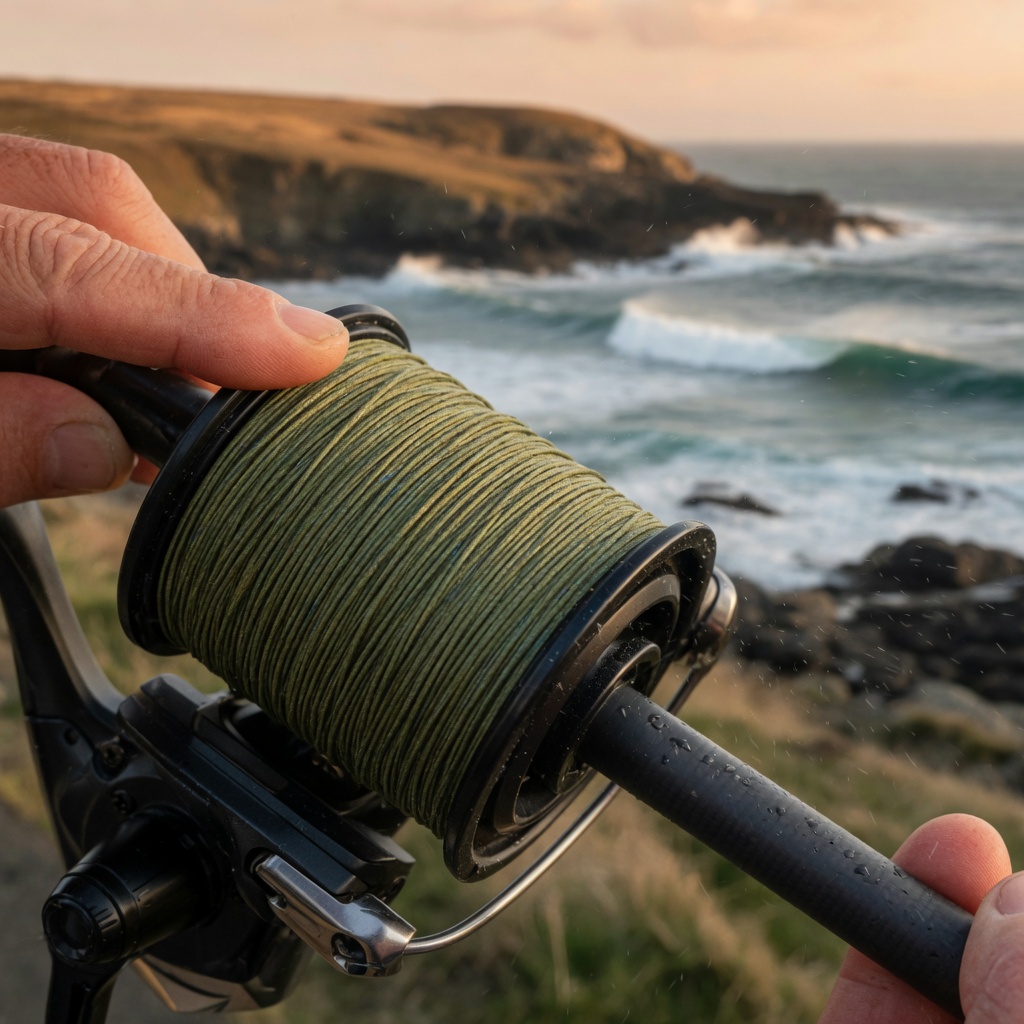
Why Braid Throws Wind Knots
Braided line is thin, limp and has almost no memory, which is exactly why it casts so far and telegraphs every bite from a snapper sitting on a reef edge. That same softness is the problem. When line leaves the spool faster than the lure can pull it away, loose coils sit on the spool lip, then the next cast drags a bight through them and locks the mess into a knot. Add a stiff nor'easter across the boat or a swirling breeze on a headland and the coils get blown into each other before you've even started the retrieve.
On the water around Sydney this shows up most on afternoon sessions, when the sea breeze builds and everyone is casting into or across it. Understanding the cause matters more than any single trick: wind knots are a slack line problem, and wind only makes slack line more likely.
Load the Spool Correctly
Most wind knots are built before you leave the ramp. A few habits fix the majority of them:
- Fill to the lip, not over it. Leave roughly 1–2 mm from the spool edge. Overfilled spools shed loose coils on every cast.
- Use firm, even tension. Run the braid through a damp cloth or a gloved hand while winding. Loose underlays shift and create slack later.
- Watch the twist. Load from a spool that pays out flat, in the same direction the reel winds, and check the lay every twenty turns.
- Add mono backing. Braid slips on bare aluminium and graphite. A few metres of mono backing, or a taped arbor, stops the whole load spinning.
Casting Technique in Wind
Sydney's offshore grounds and rock ledges rarely offer a still day, so technique has to carry you. Cast with the wind quartering over your casting shoulder rather than straight into your face. Feather the spool lip with a fingertip as the lure lands so the last few metres come off under tension. Then close the bail by hand — never with the handle — and take up the slack before the first crank. That single change removes a huge share of knots.
If a gust drops your lure short, don't just wind. Point the rod at the lure, take up slack slowly, and only then start working the retrieve. When jigging or slow-pitching in deeper water, keep the line loaded on the drop by thumbing the spool; a free-falling jig in current is a knot factory.
Gear and Setup Checks
- Line class to lure weight. A 10 g soft plastic on 30 lb braid will not straighten the line on the cast. Match them.
- Leader length and knot profile. A slim FG or improved Albright passes the tip guide cleanly; bulky knots grab and jerk the line.
- Guide condition. A grooved or cracked insert plucks braid and creates loops. Run a cotton bud through each guide to check.
- Roller and line roller. A seized line roller lays braid unevenly. Rinse and free it after every salt session.
- Spool washers. Adjusting shims changes the line lay from a cone to a flat wind, which alone can cure a chronic offender.
Fixing a Knot Without Losing the Session
Stop winding the moment you feel a hitch. Pull the tangle off the spool by hand, find the single loop that passes through the others, and ease it back out with a pick or a leader tag — never pull the main line tight. If the braid has fused or flattened, cut it out and retie; a damaged section will fail on the next decent fish. Carrying a spare spool of braid in the boat is cheaper than losing an entire tide.
Working With Tide, Wind and Swell
Conditions planning cuts knots down too. On days with a strong cross-breeze, fish the sheltered side of a headland or work the estuary on the change of tide instead of casting into open chop. Drifting with the wind and current, rather than against it, keeps the line straight behind the boat. Check the forecast wind direction against your intended drift before you commit — the tide and wind pages on Tide Fishing are there for exactly that kind of decision.
Questions about a specific reel, rod or a stubborn line-lay problem? Get in touch on +61292658222 or [email protected] during Mon–Fri: 09:00 – 17:00 (AEST) and we'll talk through your setup.

Navigation
See also
FAQ