How to Plan a Fishing Trip Around Tide Changes
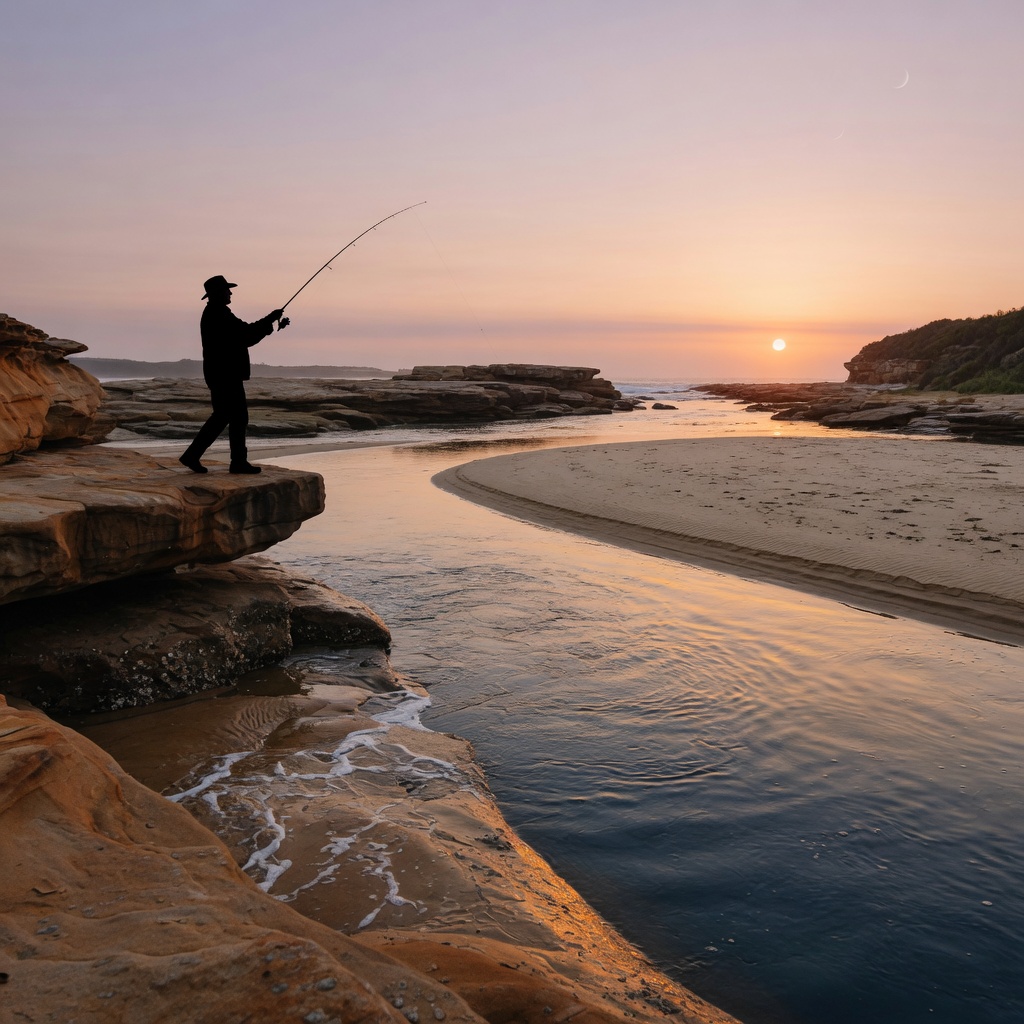
Why the Tide Decides Your Trip, Not the Calendar
Most anglers pick a day off work and then hope the fishing cooperates. Around Sydney, that approach wastes a lot of good bait. Moving water is what pushes baitfish, prawns and worms into predictable places, and predators follow. If you build your trip around the tide change first and then fit the rest of the day around it, you fish the productive window instead of arriving an hour after it closes.
A tide change is not a single moment. It is a period of roughly two hours either side of high or low water where flow speed shifts noticeably. The last two hours of a run-out and the first two hours of a run-in are usually the busiest, because current concentrates food through gutters, channels and rock ledges. On Tide Fishing we treat those windows as the core of any plan.
Step One: Read the Tide Chart Properly
Pull up the tide chart for the closest reference port to your spot, then note three things rather than just the times:
- Tide height range. A 1.8 m high dropping to 0.3 m moves far more water than a 1.4 m high dropping to 0.7 m. Bigger range means stronger current and usually better feeding.
- Time of the change relative to light. A tide change that lands near dawn or dusk stacks two advantages together and is worth planning a week ahead for.
- Direction of the following days. Tides build toward the new and full moon and ease off around the quarters, so you can see whether conditions are strengthening or fading.
Remember that tide times at the entrance of an estuary can differ from the times upstream by an hour or more. Inside larger systems, the water often keeps running out well after the charted low. Note the local offset once and reuse it every trip.
Step Two: Match the Tide to the Water Type
Beach Fishing
On open beaches, the incoming tide is generally friendlier. Rising water lets you fish gutters and holes that were too shallow at low, and it carries beach worms and pipis loose from the sand. Walk the beach at low tide first to map the gutters and the deeper corners near rock walls, then return to fish those same features on the push.
Estuary Fishing
Estuaries reward the run-out. Draining flats, drains, oyster racks and the mouths of side creeks funnel prawns and small baitfish into narrow lanes. Position downstream of the structure and let bait or lures drift with the current rather than fighting across it. On the run-in, move back toward flats and weed edges as fish spread out to feed.
Rock Fishing
Rock platforms are the most conditions-sensitive of the three. Tide matters, but swell matters more. Plan rock sessions for a low to mid tide with a small, long-period swell, and always watch the water for at least fifteen minutes before stepping down. If the tide is rising into a building swell, that is the wrong combination — postpone it.
Step Three: Layer In Wind, Swell and Moon Phase
Tide sets the timing; wind and swell decide whether the plan is safe and fishable.
- Wind: a light offshore or cross-shore breeze keeps the water clean and casting comfortable. Strong onshore wind stirs up sand and makes beach and rock work hard.
- Swell: check both height and period. Two metres at a long period behaves very differently from two metres at a short, choppy interval.
- Moon phase: new and full moons bring larger tidal ranges and stronger current. Bright nights can extend the bite after dark; dark nights often suit estuary work close to lit structure.
- Barometric trend: a steady or slowly rising reading after a front has passed is usually more reliable than a sharply falling one.
Building a Simple Trip Plan
Work backwards from the tide change. If low water is at 5:40 am, plan to be rigged and fishing by 3:40 am for the last of the run-out, then fish through until about 7:40 am on the early push. Add travel time, parking and the walk in, and set a hard finish time so the day stays enjoyable.
Keep a short log after each session: date, tide times and heights, wind direction, swell, moon phase and what you caught. After a dozen entries you will start seeing patterns specific to your local spots that no general guide can give you. That log becomes the most valuable planning tool you own.
Safety and Local Rules
Tell someone your location and return time, wear a life jacket on the rocks, and never turn your back on the ocean. Check current bag limits, size limits and closed areas with the relevant fisheries authority before you leave, since these change from season to season.
Questions about local tide windows or which conditions suit a particular Sydney spot? Contact Tide Fishing on +61292658222 or at [email protected] during Mon–Fri: 09:00 – 17:00 (AEST), and we will point you toward the right chart to start with.

Navigation
See also
FAQ