Fishing Licence Requirements Across Australian States
Why Licence Rules Differ From State To State
Recreational fishing in Australia is managed by each state and territory, not by a single national authority. That means the paperwork you need to drop a line off a breakwall in Sydney is not the same as the paperwork required for a beach session in South Australia or an offshore run out of a Queensland ramp. Because Tide Fishing focuses on tide charts, swell, wind and moon phase, we get plenty of questions from anglers who plan a trip around perfect conditions and then discover the licensing side too late. This guide sets out how the systems generally work and, more importantly, how to confirm the current rules before you leave the driveway.
The General Pattern Around The Country
Most states use one of three broad approaches:
- A general recreational fishing fee or licence that covers most saltwater and freshwater fishing, with concessions and exemptions for certain groups.
- No general licence, but permits for specific activities such as netting, crab pots, spearfishing gear or particular inland waters.
- Species or gear-specific endorsements that sit on top of a general licence, often for high-demand species or restricted fisheries.
Exemptions commonly relate to age, pension or concession status, and to fishing from a vessel or charter operation that already holds the relevant permit. Whether an exemption applies to you is a question for the fisheries agency in that jurisdiction, not for a website, so treat the categories above as orientation only.
Offshore And Boat-Based Fishing
Offshore fishing adds layers beyond the licence itself. Depending on where you launch, you may also need to consider:
- Boat registration and, in some jurisdictions, a boat licence for the skipper.
- Safety equipment requirements that change once you cross from enclosed waters into open or offshore waters.
- Marine park zoning, where fishing may be limited or prohibited regardless of any licence you hold.
- Commonwealth waters beyond three nautical miles, where some species are managed federally.
Offshore trips are also the most weather-sensitive form of fishing. A licence gets you legal; swell period, wind direction and tide movement decide whether the day is workable. We suggest checking forecast swell height and period, not just height, because a long-period groundswell behaves very differently at a bar crossing than a short wind chop of the same size.
Estuary, Beach And Rock Fishing
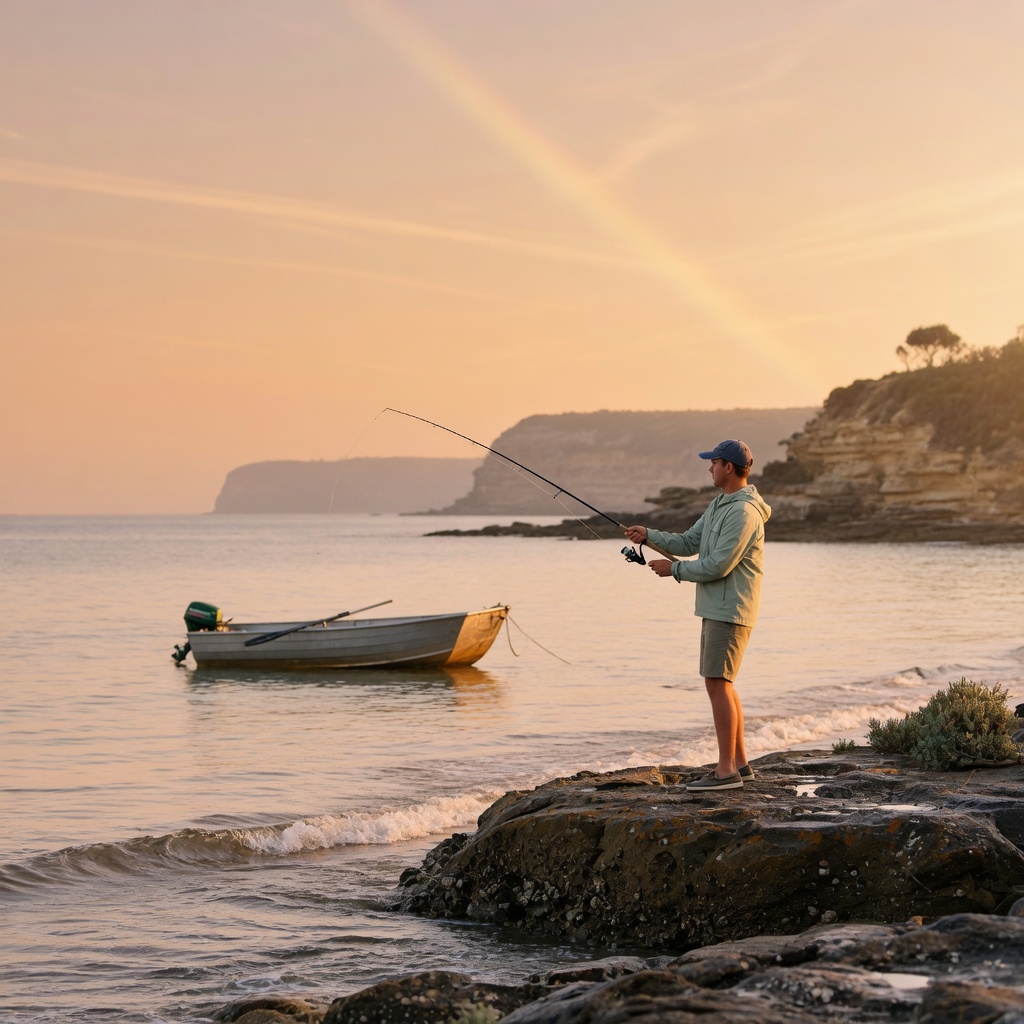
Shore-based anglers are sometimes surprised that licence obligations often apply equally from land. Rock platforms, beaches, jetties and estuary banks are generally treated as part of the same fishery as boat fishing, with the same bag limits, size limits and closed seasons. Some jurisdictions run additional closures around spawning aggregations or specific estuaries, so a spot that fished well last season may be shut this one.
Records Worth Keeping
- Carry proof of your licence or exemption in a form you can produce on the water.
- Note the waterway name, not just the town, since closures are usually defined by water body.
- Keep a measuring device on board or in your bag; guessing legal length is not a defence.
- Record tide stage and moon phase in a log so you can rebuild successful patterns later.
How To Check Before You Fish
Rules change between seasons and after fishery reviews, so the only reliable source is the official fisheries agency for the state or territory you are fishing in. Look for the current recreational fishing guide, the licence purchase page, and any bulletins on temporary closures. If you are travelling interstate, check both the departure and destination jurisdictions when your trip crosses a border river or coastal boundary.
How Tide Fishing Fits In
We do not issue licences or give legal advice. What we do is help you pick the window: tide charts and tidal range, moon phase, swell direction, wind strength and the practical conditions that suit beach, estuary, rock and offshore fishing around Sydney and the wider coast. Sort the licence out with the relevant authority, then use our condition guides to choose the session most likely to produce.
Questions About Conditions?
If you want help reading a forecast for a planned trip, contact us on +61292658222 or at [email protected] during Mon–Fri: 09:00 – 17:00 (AEST). For licence and regulation queries, go straight to the fisheries agency for your state or territory — they hold the current, authoritative answer.

Navigation
See also
FAQ