Dawn vs. Dusk Fishing: Which Is Better?
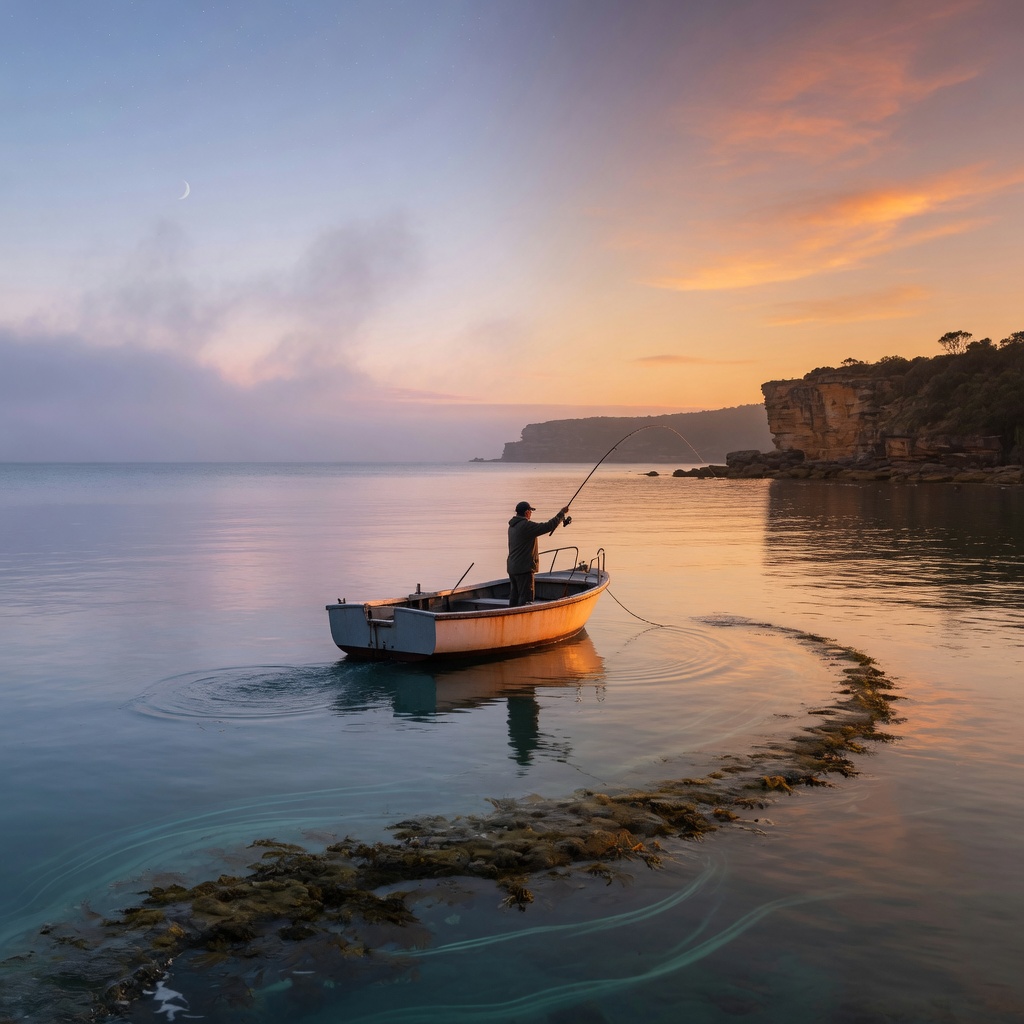
The Short Answer: It Depends on the Tide, Not the Clock
Every wharf conversation in Sydney eventually lands on the same argument — dawn or dusk? The honest answer from years of watching charts at Tide Fishing is that light change matters less than what the water is doing underneath it. A dawn session over a dead slack tide will usually be beaten by a dusk session that lines up with a running flood. Light triggers feeding; moving water delivers the food. When both happen together, you get the sessions people talk about for years.
So rather than picking a favourite, learn to read which of the two windows carries the better tide, the softer swell and the friendlier wind for the day you can actually get out.
What Makes Dawn Work
Dawn is the quieter, more predictable option, especially for offshore boat fishing off the Sydney coast. Overnight the wind normally drops out, the sea surface flattens and the swell period becomes easier to read on the way out through the heads.
- Cleaner water surface — easier to spot bird activity, bait balls and surface busts on pelagics.
- Lighter breeze — land breezes often hold until mid-morning, so drifting over reef and holding position on a mark is simpler.
- Long window — the bite often starts before first light and can hold for two hours after sunrise on overcast mornings.
- Safer navigation — you finish in daylight rather than crossing a bar or a busy harbour channel in the dark.
Dawn suits deeper reef work, snapper on the drift, and early runs to the shelf when the forecast only offers a short weather gap.
What Makes Dusk Work
Dusk gets its reputation from warmth. Water that has soaked up sun all day is often a degree or two warmer near the surface, and baitfish push up into it as light fades. Squid, yellowtail and slimy mackerel become easier to gather, and predators follow them.
- Bait is already active — you can jig fresh livies late afternoon and fish them straight away.
- Sea breeze often eases — in summer the nor'easter can back off near sunset, giving a glassy last hour.
- Aggressive feeding — kingfish, mulloway and tailor frequently switch on hard in the final thirty minutes of light.
- Rolls into night fishing — anchored over a reef or in the deeper harbour holes, the bite can continue well after dark.
How Tide Decides the Winner
Use the tide chart first, then choose your session. A few practical rules we lean on:
- Look for a session where the light change sits within an hour of peak tidal flow, not slack water.
- On offshore reefs, the last two hours of the run-out often concentrate fish on the down-current edge of structure.
- For harbour and estuary mouths, a dusk flood pushing clean ocean water in is hard to beat for mulloway.
- Around the new and full moon, tidal range is larger and current stronger — great for bait movement, but check your anchor and sinker weights.
- Neap tides suit slow, finesse presentations; you may prefer dawn when the water is calmest.
Wind, Swell and Moon Phase Checks Before You Commit
Offshore, comfort decides catch rate. Compare the dawn and dusk forecasts for wind speed, direction and swell period. A 1.5 m swell at 12 seconds is far more workable than 1.5 m at 7 seconds. Watch for wind opposing tide or current, which stands up a nasty short chop even in modest breeze. Moon phase matters too: bright full-moon nights can push fish to feed after dark, sometimes flattening the dusk bite but improving late-night sessions.
A Simple Decision Routine
- Check swell height and period for both windows.
- Check wind strength at your intended distance offshore, not just at the coast.
- Overlay the tide chart and pick the light change closest to moving water.
- Consider your crew — early starts and long runs need people who are actually awake.
Our Verdict
If you can only fish one session a fortnight, take dawn for offshore boat work: safer, calmer, more reliable. If you want the sharpest short burst of feeding activity and don't mind coming home in the dark, dusk is the pick. Best of all is a plan that lets you fish the change of light that matches the tide — and the willingness to stay home when the swell says no.
Questions about local conditions or a session you're planning? Reach Tide Fishing on +61292658222 or [email protected] during Mon–Fri: 09:00 – 17:00 (AEST), and browse our current Sydney tide, swell and moon phase pages before you launch.

Navigation
See also
FAQ