Common Mistakes Beginner Beach Anglers Make
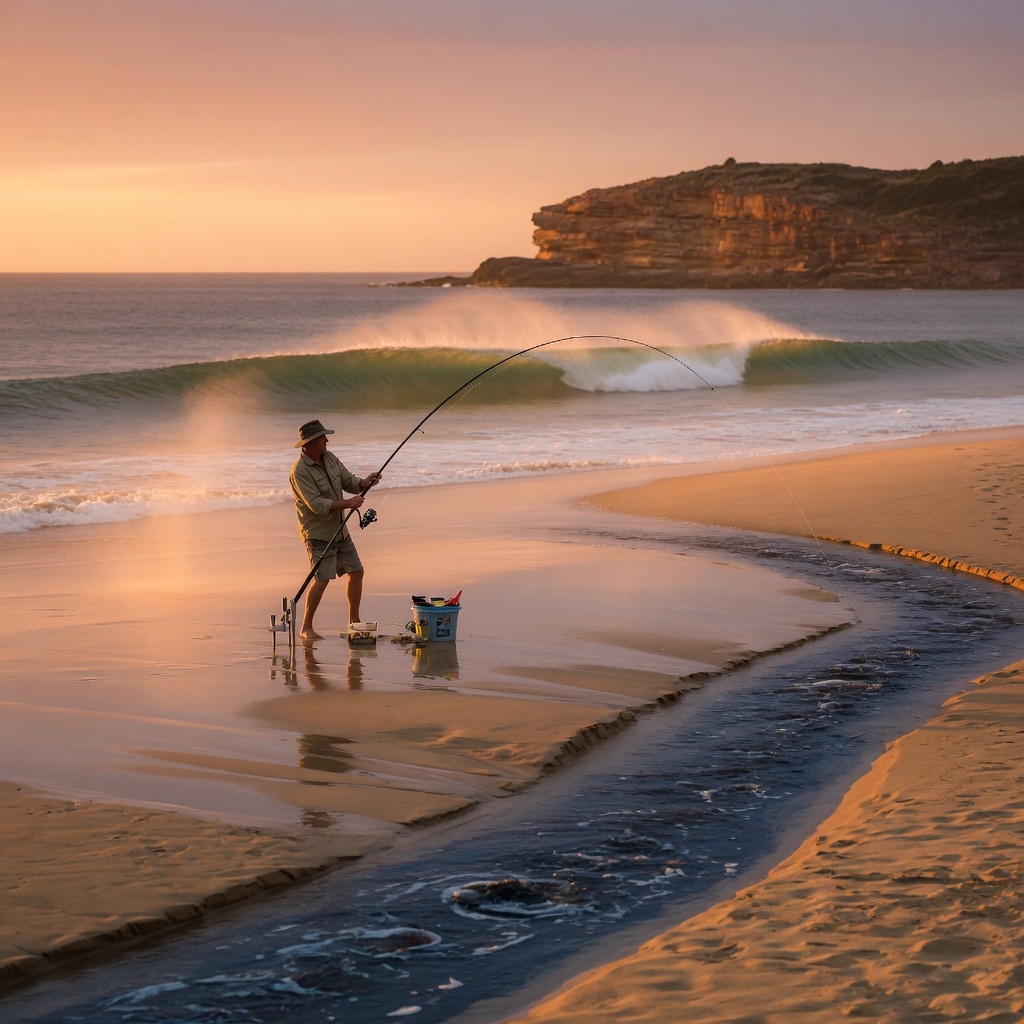
Why Most Beach Sessions Fail Before The First Cast
Beach fishing around Sydney looks simple: sand, surf, a rod and a bit of bait. In practice, the anglers who blank week after week usually make the same handful of mistakes, and almost all of them happen before the rig hits the water. Choosing a random hour, a random stretch of sand and a random rig is how you end up feeding crabs. The good news is that every mistake below has a fix you can apply on your next session, without buying new gear.
At Tide Fishing we group beginner errors into four buckets: timing, reading the beach, tackle choice and bait handling. Work through them in that order, because no rig on earth saves you from fishing dead water at the wrong stage of the tide.
Mistake 1: Ignoring The Tide And Moon
The single biggest error is treating the tide as background noise. On open Sydney beaches, the last two hours of the flood and the first hour of the ebb usually push bait into the gutters and bring tailor, bream, whiting and salmon within casting range. Fishing dead low on a flat, featureless bank is hard work for anyone.
- Fix: check the local tide chart the night before and plan to arrive 90 minutes before the turn, not after it.
- Fix: pair the tide with light. Dawn, dusk and the hour either side of dark are worth more than midday.
- Fix: note the moon phase. Bigger tides around new and full moons move more water, stir up beach worms and often lift the bite — but they also drop the water further, so access and safety change.
Keep a simple log: date, tide stage, wind, swell, moon and what you caught. After ten sessions you will see your own pattern, which beats any general rule.
Mistake 2: Casting Anywhere Instead Of Somewhere
Beginners cast as far as they can. Experienced beach anglers cast at structure. Stand on the dune line for two minutes and read the water before you rig up.
- Gutters and holes show as darker, calmer water between white breaking bands — fish travel and feed here.
- Rips appear as narrow, ruffled channels carrying water back out; the edges concentrate bait.
- Corners where sand meets rock platform or a creek mouth often hold fish on a rising tide.
Most Sydney beach fish are caught inside 30 metres, frequently in the first gutter. If you are casting past all the structure, you are fishing sand.
Mistake 3: Overgunned, Overweighted Tackle
A heavy surf rod with a 6-ounce sinker and 30 lb line is overkill for whiting and bream in a shallow gutter. Heavy gear kills bite detection and makes baits look unnatural.
- Match sinker weight to the current — use the lightest lead that holds bottom, not the heaviest you own.
- Use long, fine leaders and smaller hooks for whiting and bream; step up only for tailor and salmon, adding a short wire or heavy mono trace when choppers are about.
- Keep the line tight and the rod at a sensible angle so you feel a pick-up instead of finding a stripped hook.
Mistake 4: Bad Bait Care And Impatience
Warm, mushy, day-old bait catches very little. Keep bait cool and firm, re-bait often, and present pilchards, beach worms or strip baits so they sit naturally rather than balled up on the hook. At the same time, do not stand in one spot for four hours out of stubbornness — give a gutter 20 to 30 minutes across a tide change, then move 100 metres and try again.
Mistake 5: Underestimating Swell And Wind
Sydney's exposed beaches and rock ledges can turn dangerous fast. Beginners misjudge swell period as much as swell height: a 1.5 m swell at long period breaks far heavier than the number suggests. Check the swell and wind forecast, watch the sets for at least ten minutes, never turn your back on the water, and stay well clear of washed platforms and unstable shore breaks. Fish with a mate, tell someone your plan, and wear footwear you can move in.
Build A Simple Pre-Session Checklist
Before you leave home, confirm the tide times, moon phase, swell height and period, wind direction, sunrise or sunset, and a backup beach in case the conditions are wrong. That five-minute habit is what separates a lucky session from a repeatable one. For local conditions, chart explanations and season notes for Sydney beaches, browse the rest of Tide Fishing, and always check current local fishing rules and closures before you fish.
Questions about reading a specific beach or tide chart? Reach us on +61292658222 or [email protected] during Mon–Fri: 09:00 – 17:00 (AEST) and we will point you towards the right conditions to target.

Navigation
See also
FAQ