Choosing the Right Leader Strength
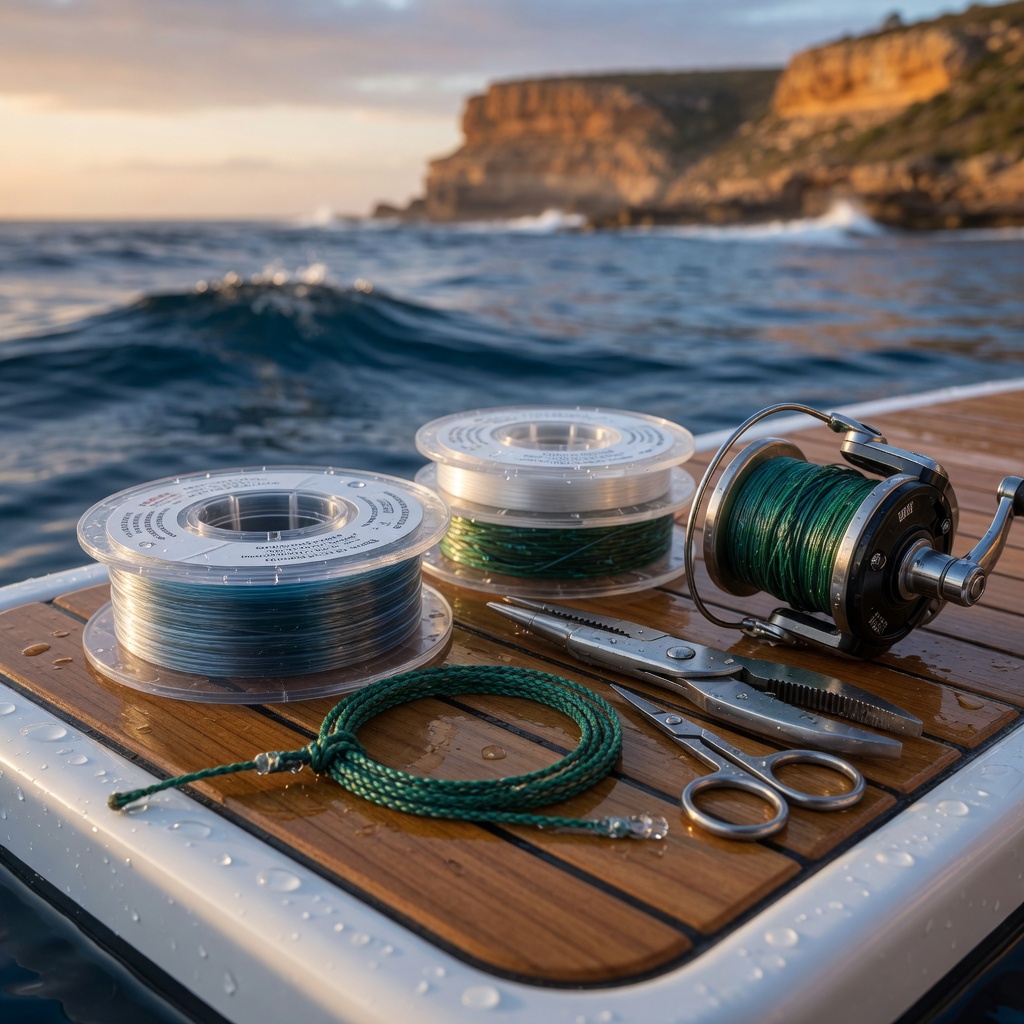
Why Leader Strength Matters More Than Main Line
Your leader is the last metre or two between a good fish and a slack line. Out of the heads at Sydney, it takes the punishment from reef edges, kelp stalks, gill plates, teeth and the hull of the boat itself. Main line — usually braid — gives you casting distance, thin diameter and bite detection, but it frays quickly against rock. The leader absorbs that wear and adds a shock-absorbing stretch when a fish surges beside the boat.
The common mistake is treating leader choice as a single number. In practice you are balancing three things: the abrasion you expect, the visibility of the water, and the drag pressure your rod and reel can realistically apply. Get those three in line and you will lose far fewer fish without spooking them.
Match the Leader to the Ground You Fish
Offshore ground around Sydney varies from clean sand in 40 to 60 metres to broken reef, wrecks and pinnacles that rise sharply. Adjust accordingly:
- Clean sand and gravel, bottom bouncing: lighter leader is fine. Flathead, morwong and snapper over open ground rarely need heavy gear — a leader in the 8–15 kg range is generally plenty.
- Broken reef and kelp: step up. Fish dive for cover the moment they feel pressure, so a 20–30 kg leader gives you the chance to stop that first run before it reaches structure.
- Wrecks and steep pinnacles: heavier again. Here the leader is a wear item — expect to trim and re-tie after every hookup.
- Pelagics in blue water: tuna and kingfish demand a longer leader for abrasion from tail and flank, but often a lower breaking strain for presentation. Length matters as much as thickness.
Think in Diameter, Not Just Kilograms
Two leaders rated the same can differ noticeably in diameter depending on the brand and material. Fluorocarbon is denser and stiffer, sinks faster and resists abrasion well, which suits deep baits and jigs. Monofilament stretches more, floats slightly and is more forgiving on a short rod pump. When bites go quiet, dropping one diameter step is often more effective than changing lures.
How Conditions Change the Answer
Water clarity is the biggest driver. After a run of easterly swell or heavy rain pushing dirty water out of the harbour, fish are far less leader-shy and you can fish heavier without penalty. On a flat, glassy day with clean blue water and bright sun, the same fish will refuse a thick leader in shallow reef country.
Tide and current also matter. A strong run means more line drag, a bigger bow in your line and less direct contact with the sinker or jig. Heavier leader increases that drag further, so on fast tides many anglers go slightly lighter and longer to keep the bait tracking naturally. Around the slack water either side of the tide change, you can afford more strength because presentation is easier to control.
Swell affects safety and boat handling more than leader choice, but it does affect how much shock loading your knots take. In a lumpy sea, the boat lifting on a wave can spike the load on a hooked fish dramatically — a reason to use a leader with some stretch and to keep drag settings sensible rather than locked up.
Practical Leader Set-Up Guidelines
- Start with the drag: set drag to roughly a quarter to a third of your main line rating, then choose a leader comfortably above that figure.
- Leader length: for bottom fishing, one to one and a half rod lengths is a good default. For pelagics, longer.
- Knots: use a reliable braid-to-leader join you can tie in the dark on a rolling deck. A slim, tested knot beats a fancy one you rush.
- Check constantly: run the last metre through your fingers after every fish and after any contact with the bottom. Any roughness means re-tie.
- Carry a range: three spools covering light, medium and heavy will handle almost every offshore session out of Sydney.
Common Errors to Avoid
- Going far heavier than the rod can load, so the rod bottoms out and hooks pull.
- Using a leader lighter than the assist hooks or hook gauge — the weak link should be predictable.
- Leaving old leader on the spool for a season; sunlight and heat degrade it.
- Ignoring the wind. A stiff nor'easter with chop makes long leaders harder to cast and manage on light tackle.
Planning Around Tide, Moon and Weather
Leader choice sits inside a bigger plan. Before you leave, check the tide chart, moon phase, swell height and period, and the wind forecast for your intended ground. A moderate swell with a long period is workable; short-period swell over shallow reef is not. Match your rig to the conditions you will actually meet, not the ones you hoped for.
Tide Fishing publishes tide and condition guides for beach, estuary, rock and offshore fishing around Sydney. Questions about a specific set-up? Reach us on [email protected] or +61292658222 during Mon–Fri: 09:00 – 17:00 (AEST), and always check the current marine forecast and safety advice before heading offshore.

Navigation
See also
FAQ