Best Winter Fishing Locations in Australia
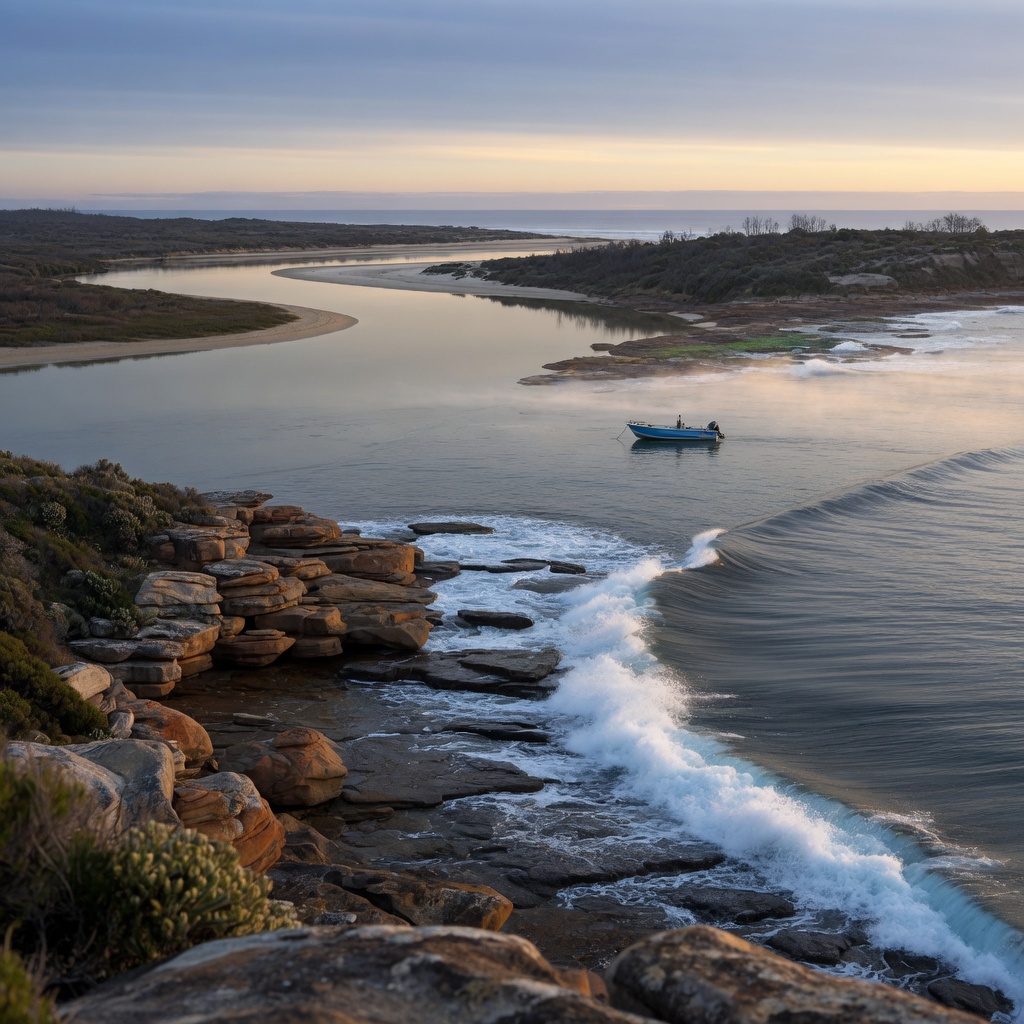
Why Winter Changes the Map
Winter in Australia does not shut fishing down — it rearranges it. Cooler water pushes some species deep and offshore while drawing others tight against beaches and into the upper reaches of estuaries. For anglers around Sydney, the season also brings the most stable weather windows of the year: long runs of light westerlies at dawn, cleaner water on the inshore reefs, and the annual movement of bait along the coast that concentrates predators in predictable places.
The trade-off is swell. Winter low-pressure systems in the Tasman generate long-period groundswell that can arrive days before any local wind. That makes swell height and swell period the two numbers you check before anything else, especially if your plan involves a headland, a bar crossing or a small boat. At Tide Fishing we treat winter planning as a two-step process: pick the water type that suits the forecast, then pick the tide inside that window.
Offshore and Boat Fishing: The Winter Standout
Offshore is where winter really pays. Inshore reefs in 20–60 m of water hold snapper, morwong, pigfish and flathead through the cold months, and the deeper edges from 80 m out produce the best of the season on gemfish, blue-eye and hapuka grounds where regulations allow. Along the NSW coast, kingfish stay on the closer pinnacles and wide markers into early winter, while further north the mackerel and cobia season runs strong.
Practical guidance for offshore days:
- Wind first. Under 10 knots for small trailer boats, under 15 knots for anything over six metres, and avoid days where wind opposes swell direction — that is what creates the short, steep chop that ruins a trip.
- Swell period matters more than height. A 1.5 m swell at 14 seconds is a comfortable day offshore; the same height at 6 seconds is uncomfortable and dangerous on a bar.
- Fish the tide change on structure. Reef fish feed hardest on the first two hours of a run, and the slack around the turn is when you can hold position over a small mark.
- Use the moon. The days either side of new and full moon bring bigger tidal flow, which switches on pelagics but can make anchoring over deep reef harder. Quarter moons often give the cleanest deep-drop conditions.
Regions Worth the Trip
- Sydney and the Central Coast: close reefs, wide grounds and reliable winter snapper, with launch options sheltered from most wind directions.
- Port Stephens and Forster: deep water close in, plus estuary options when the swell shuts the bar.
- South Coast NSW and eastern Victoria: heavy winter snapper and gummy shark, best on the calm days between fronts.
- Southern Queensland to the Capricorn Coast: the most forgiving winter weather in the east, with reef and mackerel fishing at its peak.
- Exmouth and Ningaloo, WA: mild conditions, protected lagoon fishing and wide grounds on light-wind mornings.
Beach, Rock and Estuary Options When Offshore Is Out
Save a land-based plan for every offshore plan. Winter beaches produce salmon, tailor, bream and mulloway, and the best fishing is usually the rising tide into dusk over a gutter that drains a bank. Look for the darker channel water and cast to the edge of it, not the middle. Rock fishing peaks in winter for drummer and luderick, but headlands are unforgiving in groundswell — only fish ledges with an obvious high escape route, wear a life jacket, and watch the water for a full fifteen minutes before you commit.
Estuaries are the safe fallback. Cold, clear winter water means bream and luderick school tightly around bridge pylons, rock walls and oyster racks, and flathead sit on the sand edges of deeper holes. Fish the last of the falling tide when bait is forced out of the shallows, and target the middle of the day when the sun has lifted the water temperature slightly.
Building a Winter Trip Plan
A simple routine keeps winter trips productive. Three days out, check the swell model for any long-period pulse. Two days out, lock in a wind window and a matching location type. The night before, work out the tide times and pick the two-hour block you actually want to be on the water. On the morning, recheck the coastal waters forecast before you leave the driveway, because winter fronts can arrive earlier than modelled.
Gear for the season: heavier leader for structure-shy winter bream, fresh bait over frozen wherever possible, and layered clothing plus a spare set in a dry bag. If you are trailering, service the boat before the first cold snap — winter is when flat batteries and blocked fuel filters end trips.
Ask Us About Local Conditions
If you are unsure whether a forecast suits a particular headland, bar or offshore run near Sydney, get in touch. Tide Fishing answers questions on tide timing, swell windows and location choice during Mon–Fri: 09:00 – 17:00 (AEST) — call +61292658222 or email [email protected]. You can also browse our tide and weather guides to compare conditions before you commit to a destination.

Navigation
See also
FAQ