Best Summer Fishing Locations in Australia
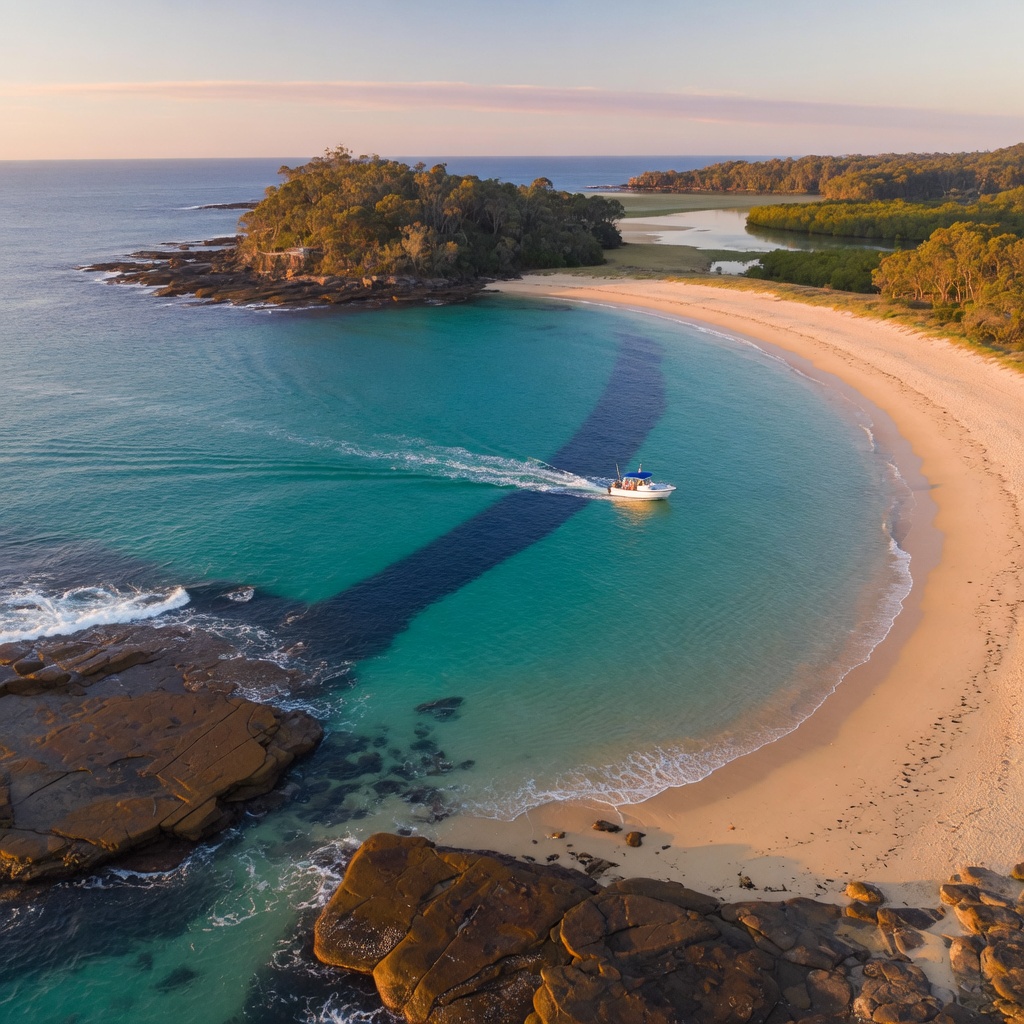
Why Summer Changes the Map
Summer in Australia pushes warm currents further south, stirs up baitfish schools and reshuffles where the fish sit. Off Sydney, the East Australian Current runs strongest from December through February, dragging blue water and pelagic species down the coast. That single fact explains most of the summer pattern: offshore boat fishing peaks, beach and estuary sessions shift to dawn and dusk, and rock platforms become a wind-and-swell decision rather than a fish-finding one.
At Tide Fishing we plan every summer trip around four numbers before we think about a location: tide range, swell height and period, wind strength and direction, and moon phase. Get those right and an average spot fishes well. Get them wrong and the best mark in the country will feel empty.
Offshore and Boat Fishing Hotspots
Offshore is where summer rewards patience and fuel. Look for structure, current lines and temperature breaks rather than a single GPS mark.
- Offshore Sydney and the continental shelf — wide grounds hold pelagics when the current pushes warm water in close. Best on light morning winds under 12 knots and swell under 1.5 metres.
- South East Queensland reefs — inshore reef systems fish well on the last of a rising tide, especially around the new moon when current is strong.
- Victorian and Tasmanian bays — cooler summer options, protected from big swell, ideal on days when the open coast is unfishable.
- Western Australian coast — long summer sea breezes mean early starts are non-negotiable; be off the water before the afternoon blow builds.
Practical rule for boats: check swell period, not just height. A 1.5 metre swell at 14 seconds is a long, comfortable roll. The same height at 6 seconds is short, steep and unpleasant on a small trailer boat.
Beach and Estuary Options
Beaches
Summer beaches are busy with swimmers by mid-morning, so fish the first and last two hours of daylight. Target the gutters and deeper holes that form between sandbars, and fish the two hours either side of high tide when those gutters carry enough water for fish to move in confidently. A moderate onshore swell of around one metre keeps the water stirred and the bait moving.
Estuaries
Estuaries around Sydney and up and down the east coast fish reliably right through summer. Focus on the run-out tide over drop-offs, oyster racks and weed edges, where current concentrates prey. Warmer water means faster metabolism and more aggressive feeding, but also lower dissolved oxygen in shallow flats during the heat of the day, so move to deeper channels and bridge shadows after midday.
Rock Fishing and Safety
Rock platforms deliver some of the best summer fishing available from land, and they demand the most respect. Always check the swell forecast and the tide before you commit to a ledge. Avoid platforms when swell exceeds roughly 1.5 metres, wear a lifejacket, never fish alone, and spend at least ten minutes watching the water to see how far the largest sets reach. A rising tide combined with building swell is the combination that causes most trouble.
Reading Tide, Moon and Wind Together
- Tide first — moving water beats slack water almost everywhere. Aim to fish the strongest part of the run.
- Moon phase second — new and full moons bring bigger tidal ranges and stronger current, which suits offshore and estuary drift fishing.
- Wind third — offshore winds flatten the sea for boats but can make beach casting awkward; light onshore breezes often improve beach and rock sessions.
- Swell last — it is the veto. If swell is dangerous, change location rather than pushing through.
Planning Your Summer Trip
Build a short list of three spots for every trip: one open-coast option, one sheltered option and one estuary fallback. Check conditions the night before and again at first light, carry sun protection and more water than you think you need, and record what worked so you can match the pattern next season. For local tide charts, moon phases and current conditions, browse the forecasts on Tide Fishing or get in touch on +61292658222 or [email protected] during Mon–Fri: 09:00 – 17:00 (AEST).

Navigation
See also
FAQ