Best Smartphone Apps for Australian Tide and Weather Forecasts
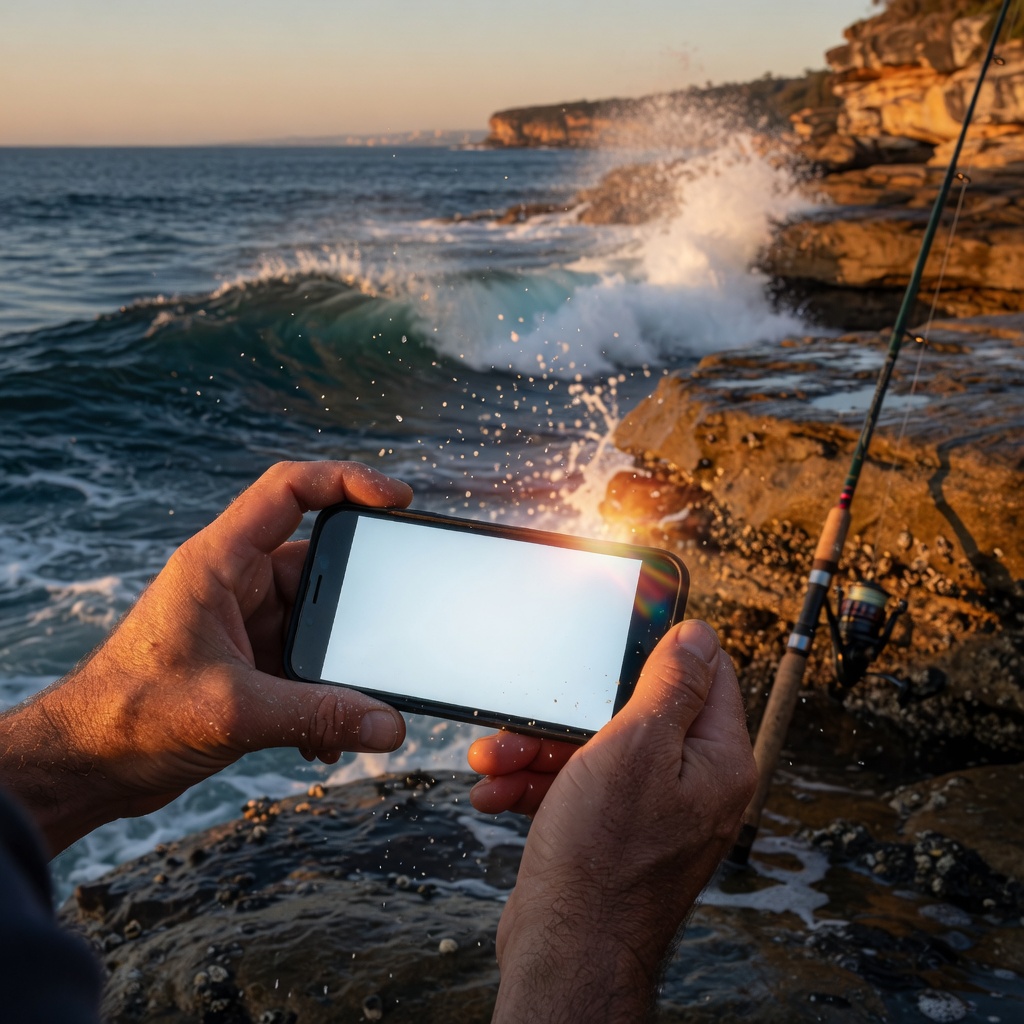
Why Your Phone Is the Most Useful Bit of Tackle You Own
Ten years ago, planning a session off the rocks at North Head meant a paper tide book, the evening news weather and a fair bit of guesswork. Today, an angler standing on the sand at Curl Curl can check the swell period, wind direction, barometric trend and tide state in under a minute. The catch — and there is always one — is that more data does not automatically mean more fish. The apps are only as good as the questions you ask of them.
At Tide Fishing we spend a lot of time comparing what the forecast said with what actually happened on the water around Sydney. This guide covers the categories of app worth having on your home screen, what each type does well, and how to combine them into a single decision: go, or stay home.
The Four Data Layers You Actually Need
Rather than chasing one perfect app, think in layers. Most anglers end up running two or three tools because no single source does everything well.
- Tide data — high and low times, tidal range in metres, and ideally the rate of flow between them. Range matters as much as timing; a 1.8 m spring tide moves far more water than a 0.9 m neap.
- Wind — direction, speed, gusts and the timing of any change. For Sydney's east-facing beaches, a light westerly at dawn is gold; a fresh north-easter from midday onwards is the usual spoiler.
- Swell — significant height, period and direction. Period is the number most beginners ignore. A 1.5 m swell at 8 seconds is messy but fishable; the same height at 14 seconds will surge unpredictably across rock platforms.
- Sun, moon and pressure — moon phase, moonrise and moonset, and the barometric trend over the previous 24 hours.
Choosing a Tide App
Look for apps that state their data source and show tide predictions for the specific station nearest you. Sydney anglers should note that Fort Denison inside the harbour differs from open-coast timings, and estuaries like the Hawkesbury or Georges River lag the ocean tide considerably the further upstream you go — sometimes by an hour or more.
Features Worth Paying Attention To
- Offline access, because reception on remote headlands and in national parks is unreliable.
- A graph view, not just a table, so you can see where the steepest part of the tide sits.
- Multiple saved locations, so you can compare an ocean beach with an estuary mouth side by side.
- Clear labelling of daylight saving adjustments — a classic source of one-hour errors in October and April.
Surf and Swell Apps for Rock and Beach Work
Surf forecasting apps were built for board riders, which suits rock fishers perfectly. They give swell height, period, direction and often a live coastal camera feed. Use them to check whether a platform will be washing over before you commit to the walk in. A rising swell forecast in the second half of your session is a hard no for exposed ledges, regardless of how good the tide looks.
For beach fishing, swell direction tells you which gutters will be working. A south-easterly swell scours differently to a straight easterly, and the banks that held fish last month may have shifted after a big blow.
Bite Prediction and Solunar Features: A Sensible View
Many apps include a "best fishing times" score built from moon phase, moonrise and moonset, and tide movement. Treated as one input among several, these solunar ratings are useful for narrowing down which two hours of a long day to prioritise. Treated as gospel, they lead to disappointment.
Our approach is simple: let the app suggest a window, then sanity-check it against conditions on the ground. Water clarity, bait presence, recent rainfall in the catchment and wind chop will override any algorithm. If the app says average but there are bait schools boiling in the wash on a rising tide at dusk, fish it.
Building a Five-Minute Pre-Session Routine
- Check the tide graph and pick the window where water is moving fastest, not just the high or low itself.
- Cross-check wind speed and direction for that window, including forecast gusts.
- Check swell height and period, and note whether the trend is rising or easing.
- Look at the barometer over the past day — a steady or slowly falling pressure often coincides with better feeding activity than a sharp spike.
- Note moonrise, moonset and last light, then set an alarm for a departure time that gets you in position early.
Write down what the apps predicted and what you caught. After a season, your own notes will beat any generic rating system for the spots you fish regularly.
Safety Comes Before Data
No app replaces judgement. Watch the water for at least ten minutes before stepping onto any rock platform, wear a lifejacket, tell someone your plan and never fish alone on exposed coast. Forecasts are probabilities, not promises, and sets arrive that no model predicted.
Questions About Local Conditions?
If you want help interpreting a forecast for a specific stretch of the Sydney coast or an estuary you are learning, get in touch on +61292658222 or [email protected]. We answer enquiries during Mon–Fri: 09:00 – 17:00 (AEST), and you can keep exploring tide charts, moon phase and swell explainers across the rest of Tide Fishing.

Navigation
See also
FAQ